
Overall, reducing the consumption of alcohol will result in better skin. This is evidenced by a recent case study from the UK site Daily Mail, which involved a mother of two who normally drank five large glasses of wine weekly. She cut out alcohol completely for one month, which resulted in great improvement to her complexion. There are several dermatologic conditions that can be aggravated by the consumption of alcohol including rosacea and psoriasis. Drinking alcohol can cause symptom flare-ups making these chronic diseases more difficult to treat.
White Wine (C-)
Besides physical appearance, most individuals are conscious about the way that they smell. Between deodorant and cologne, most people go out of their way to have a pleasing scent. Unfortunately, a night of heavy drinking can leave a person sweaty and odorous. The Institute of Alcohol Studies reports that 10% of alcohol leaves the body by sweating, breathing, and urinating.
Treatment Options for Hereditary Angioedema
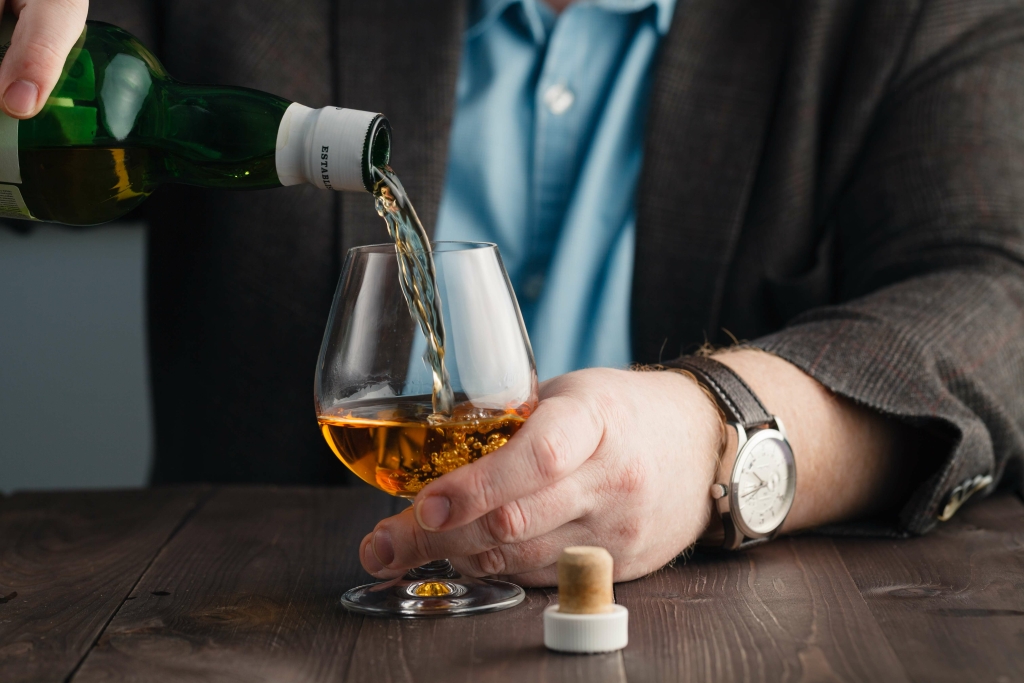
Unlike sun exposure, which causes immediate visible damage, alcohol’s impact is cumulative and often unnoticed until it’s advanced. While a day at the beach without sunscreen leads to redness and peeling, a night of drinking may only reveal its toll in the form of puffiness or dryness the next morning. However, repeated episodes of dehydration from alcohol can lead to long-term skin thinning and reduced resilience, rivaling the effects of UV damage. This comparison underscores why addressing alcohol’s dehydrating effects is critical in any anti-aging skincare strategy. Alcohol’s impact on skin aging Alcohol Use Disorder is a stark reminder that what you consume doesn’t just affect your internal organs; it leaves visible marks on your exterior.
Conditions We Treat
And if you drink alcohol, it’s not going to do your bones or your body’s aging process. Select dry wines and champagne over sugary mixed drinks or sweet https://ecosoberhouse.com/ wines to limit glycation and collagen damage. Drinking worsens the facial redness, visible blood vessels and pimple-like bumps of rosacea.
- Alcohol can affect the way your body fights off life-threatening illnesses like tuberculosis or pneumonia.
- Could the drinking be the problem, even if it’s only on the weekends?
- Cortisol breaks down skin proteins leading to thinning skin and impaired regeneration.
- Although it is common for a person to lose a few hairs each day, excessive drinking can cause severe hair loss.
Alcohol significantly impacts your physical, emotional, and spiritual well-being, often making you feel, look, and act older than your actual does alcohol age your skin age. As far as overall health goes, drinking alcohol interrupts sleep, which is important for staying healthy and can make some of these inflammatory diseases worse. Alcohol is also an irritant in the gut and can cause intestinal inflammation that may produce other systemic effects.
Dull Complexion: Reduces blood flow, depletes nutrients, and dulls skin tone, giving a tired, lifeless look
It could be a sign of a more serious problem that needs medical treatment, like a blockage in your intestines. Health experts do not recommend giving activated charcoal multiple times to treat poisonings in people who’ve taken drugs that can slow gut motility (like opioids or anticholinergics). If you have taken one of these drugs and need more than one dose of activated charcoal, your doctor should closely monitor you for any problems. You shouldn’t use activated charcoal if you have a toxin in your body that it can’t remove, such as metals, acids, alkalis, certain minerals, or alcohols.
Ask me about recovery, I can help you!
Alcohol consumption triggers inflammation4, which negatively impacts skin health. This chronic inflammation from alcohol breaks down collagen, further accelerating the appearance of aging signs like wrinkles. The inflammatory response is your body’s way of fighting off what it perceives as harmful, but when it’s constantly triggered by alcohol, it wreaks havoc on your skin. Finally, a descriptive look at the skin’s transformation post-alcohol consumption reveals telltale signs. Initially, dehydration causes temporary puffiness, but chronic drinking leads to permanent laxity.
We work with individuals, couples, and families to ensure that you and your loved ones are on the same page when it comes to your sobriety. Contact us to find out how we can help you navigate the path to recovery and optimize your physical and mental health. Older people often have concerns about falling, which is a common cause of injury in seniors. But younger people who drink alcohol are at a higher risk of injury from falls due to dizziness and confusion. Chronic alcohol use weakens bones and makes them more likely to break in a fall. Because alcohol makes you more likely to do things that you might not otherwise do, consuming it can interfere with an otherwise healthy diet.
How Drinking Alcohol Affects Your Skin and Facial Appearance
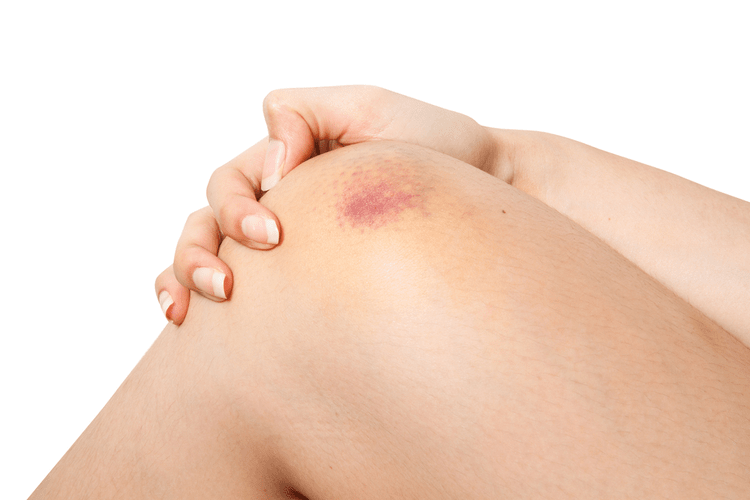
Many of the long-term effects of alcohol on a person’s skin happen as a result of AUD. There’s no dietary recommendation for activated charcoal because it’s not something your body needs to survive. But there are some common amounts that doctors use to treat people in case of emergency overdose or poisoning. These should only be given to you or your child by a health professional. And although cutting back on alcohol can give your skin a chance to regenerate, some damage cannot be reversed.
Why Are My Hands So Dry? Unraveling the Dryness Mystery
Collagen is responsible for maintaining the structural integrity of the skin, so a decrease in collagen production can lead to wrinkles, sagging skin, and a generally older appearance. In addition to the effects of dehydration and decreased collagen production, alcohol can also cause blood vessels to dilate, which leads to flushing and redness in the skin. While a glass of wine might relax you, it’s simultaneously prompting your kidneys to expel more water than usual. This process accelerates dehydration, leaving your skin parched and less resilient. Even moderate drinking—defined as up to one drink per day for women and two for men—can disrupt your skin’s moisture balance. Over time, chronic dehydration weakens the skin’s barrier function, making it more susceptible to environmental damage and slower to recover.

Comentarios recientes