
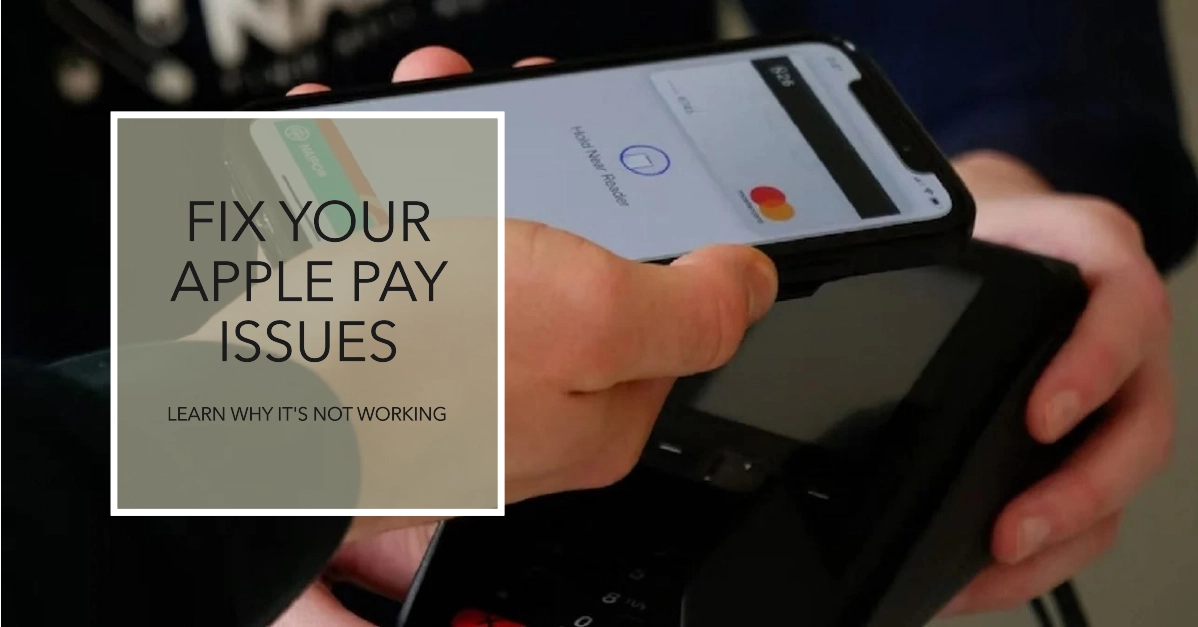
In the ever-evolving landscape of online betting, the integration of payment options plays a crucial role in user experience. Apple Pay, known for its convenience and security, has become a preferred method of payment for many users worldwide. However, there are notable instances where Apple Pay bookmakers are not available or accepted. This article aims to explore the reasons behind this, the impact on users, and possible alternatives. For more insights into the world of technological adoption and industry standards, you can check out this link: Apple Pay bookies not on GamStop https://www.ioshconference.co.uk/.
What is Apple Pay?
Apple Pay is a contactless payment technology developed by Apple Inc. that allows users to make payments in physical stores, within apps, and on the web using their Apple devices. It leverages near-field communication (NFC) technology to facilitate secure transactions, making it a convenient option for users who prioritize speed and security in their payment methods.

The Rise of Online Betting
The online betting industry has witnessed exponential growth, with more people opting to place wagers from the comfort of their homes or on-the-go. As mobile technology continues to advance, the demand for convenient payment options has also increased. This is where Apple Pay fits in, providing a quick, simple, and secure way to fund online betting accounts.
Why Aren’t Some Bookmakers Accepting Apple Pay?
Despite its popularity, there are several reasons why some bookmakers have chosen not to accept Apple Pay. Let’s delve into some of the most common factors:
1. Regulatory Compliance
One of the primary reasons some betting platforms do not accept Apple Pay is due to regulatory restrictions. Online gambling is governed by strict laws and regulations that vary by region. Some jurisdictions may have specific rules that complicate the integration of certain payment methods, including digital wallets like Apple Pay.
2. Transaction Fees
Although Apple Pay is convenient, it may carry higher transaction fees than traditional payment methods. Some bookmakers might choose to avoid these fees to maintain their profit margins. By not integrating Apple Pay, they can offer more competitive odds and bonuses to their customers.
3. Technical Challenges
The integration of new payment systems can be a complex process, requiring significant technical resources and expertise. Smaller bookmakers may lack the necessary infrastructure or financial resources to implement Apple Pay on their platforms, resulting in its exclusion as a payment option.
4. User Demographics
Understanding their target audience is crucial for bookmakers. If a majority of their customers prefer alternative payment methods, they may choose to focus on those instead of diversifying their payment options. For instance, if a bookmaker’s user base predominantly uses credit cards or bank transfers, there may be little incentive to implement Apple Pay.
5. Security Concerns
While Apple Pay is known for its security features, some bookmakers might still have concerns about the vulnerabilities associated with digital wallets. They may prefer to stick with more traditional pa
yment methods that they perceive as less risky in terms of potential fraud.
Impact on Users
The absence of Apple Pay from certain betting sites can affect users in a number of ways:
1. Convenience
For users accustomed to using Apple Pay for their transactions, the lack of this option can be an inconvenience. They may have to resort to less convenient payment methods, which could lead to frustration and affect their overall betting experience.
2. Speed of Transactions
Apple Pay is designed for speed, allowing users to make deposits and withdrawals quickly. When this option is unavailable, users might face delays in processing their transactions, slowing down their betting activities.
3. Security Concerns
Some users prefer digital wallets like Apple Pay because of their strong security features. When bookmakers do not accept such methods, users may feel less secure using alternative payment options, particularly if they involve sharing sensitive information like credit card details.
Alternatives to Apple Pay
For users who find themselves on betting sites that do not accept Apple Pay, there are several alternative payment methods available:
1. Credit and Debit Cards
Most bookmakers accept major credit and debit cards. This method is widely recognized and generally straightforward, making it a convenient alternative for many users.
2. E-Wallets
Other e-wallet options, such as PayPal, Skrill, and Neteller, are popular among bettors. These digital wallets often provide similar benefits to Apple Pay in terms of security and convenience.
3. Bank Transfers
For those who prefer traditional methods, bank transfers are always available. While they may take longer to process, they are a reliable option for funding betting accounts.
4. Prepaid Cards
Prepaid cards can be an excellent alternative for users who wish to control their spending or keep their betting activities separate from their regular banking. These cards can be topped up and used at various bookmakers that may not accept Apple Pay.
Conclusion
While Apple Pay has established itself as a leading payment method in various industries due to its convenience and security, the online betting sector still has some way to go in terms of widespread adoption. Understanding the reasons why some bookmakers do not accept Apple Pay can empower users to seek out platforms that fit their payment preferences or explore alternative options. As the online betting landscape continues to evolve, it will be interesting to see how payment methods adapt to meet the changing needs of bettors.

Comentarios recientes