

The Challenges of UK Horse Racing: A Look at Events That Didn’t Happen
The world of UK horse racing not on GamStop https://equifacs.co.uk/ is a thrilling landscape filled with excitement, tradition, and historical significance. However, it is also a realm that faces its share of challenges, particularly when events are canceled or postponed. The repercussions of such decisions are multifaceted, touching on everything from economic implications to the emotional investment of fans and participants alike.
Understanding the Landscape
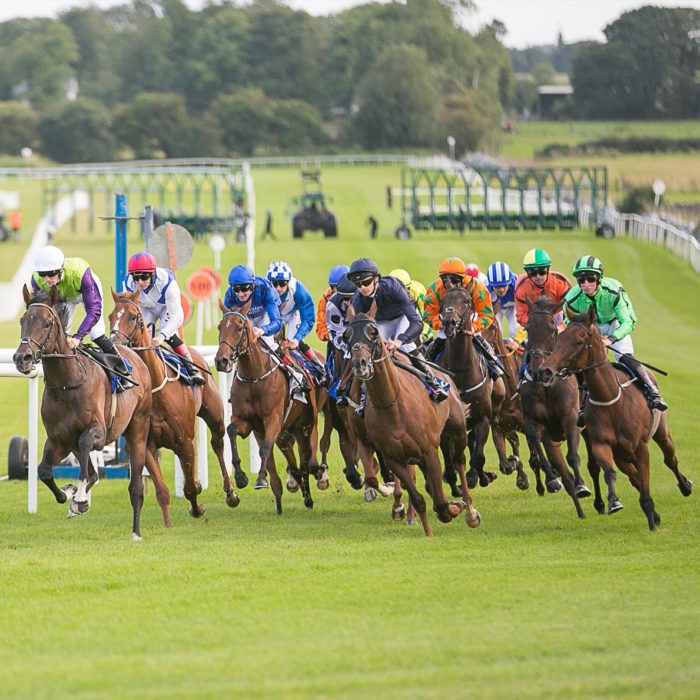
Horse racing has been a quintessential part of British culture for centuries, featuring some of the most prestigious races, such as the Grand National and Royal Ascot. However, the calendar is not always filled with successful events. Factors like poor weather conditions, logistical issues, or even health crises like the COVID-19 pandemic have led to the cancellation of numerous races over recent seasons.
The Economic Impact
When a horse racing event is not held, the financial consequences can be significant. For racecourses, the loss of a race day translates directly to lost revenue from ticket sales, hospitality, and associated betting activities. Local businesses that rely on the influx of attendees also suffer when these large-scale events do not occur. Estimates suggest that a major race meeting can generate millions in economic activity for surrounding areas.
Implications for Stakeholders
The ripple effect of canceled races spreads to various stakeholders in the industry. Jockeys, trainers, owners, and stable staff all depend on racing events for income and the chance to showcase their horses. When events are not held, it leads to uncertainty and financial strain for many who are involved in the sport. Additionally, sponsors who support these events may reconsider their investments if their associated brand visibility is diminished due to ongoing cancellations.
Fan Perspectives
For racing fans, canceled events bring a wave of disappointment. The thrill of race day—the atmosphere, anticipation, and camaraderie of fellow enthusiasts—cannot be replicated. Fans often plan their schedules around major races

and the abrupt changes can leave voids in their plans. The emotional investment to these events and the narratives surrounding them contribute significantly to the culture of UK horse racing.
How the Industry Adapts
In response to these challenges, the horse racing industry has displayed resilience and adaptability. During the COVID-19 pandemic, for instance, innovative solutions such as virtual racing gained popularity, allowing fans to engage with the sport in new ways. Additionally, thoroughbred racing organizations began implementing more robust health protocols to safeguard the wellbeing of participants and maintain the continuation of events when safe to do so.
Future Outlook
As the horse racing industry continues to navigate these challenges, there is cautious optimism for the future. Events that manage to adapt to changing circumstances are likely to thrive. For instance, the integration of technology in broadcasting and betting offers promise for reaching wider audiences, thus helping the industry to rebound from setbacks.
Conclusion
The intricacies of UK horse racing are underscored by the profound implications of events not happening. Understanding this context allows fans and stakeholders alike to appreciate the sport’s resilience and the sharing of hopes for a brighter future. As the racing calendar looks ahead, it must embrace innovation while paying homage to its cherished traditions, ensuring that the spirit of horse racing endures despite the hurdles it faces.

Comentarios recientes