
Understanding the House Edge
The house edge is a fundamental concept in gambling that represents the mathematical advantage that the casino holds over players. This advantage ensures that, over time, the casino makes a profit regardless of individual player outcomes. For instance, in a game of roulette, the house edge can vary depending on whether a player is betting on American or European versions, with the latter offering better odds due to the absence of the double zero. Many players find that managing their bankroll wisely can lead to a more enjoyable experience, especially at places offering neosurf casino instant withdrawal options, allowing for quicker cash-outs when they win. Understanding how this edge operates is crucial for players looking to devise strategies to mitigate its effects.
Every game you encounter in a casino comes with its own unique house edge, which can be influenced by several factors, including the game’s design, rules, and even betting variations. For instance, blackjack offers one of the lowest house edges, especially when players utilize optimal strategies. Conversely, games like slots often have higher house edges, making them less favorable for long-term play. Hence, knowing the ins and outs of each game can help players make informed decisions about where to place their bets.
Moreover, it’s essential to recognize that the house edge does not guarantee immediate losses. Variance and luck play significant roles in short-term outcomes, allowing players to win substantial amounts. However, for sustained success, understanding the house edge and its implications can enable players to make strategic choices, ultimately improving their overall gambling experience. This foundational knowledge allows for better gameplay tactics, ensuring players are more adept at navigating the casino landscape.
Choosing the Right Games
Selecting the right games is one of the most critical strategies for those wishing to tilt the odds slightly in their favor. Different casino games come with various house edges, which means that some games are inherently more advantageous for players than others. As previously mentioned, games like blackjack and baccarat generally offer lower house edges than slot machines, making them preferable choices for those who wish to prolong their gameplay while minimizing losses.
In addition to house edge considerations, players should also take into account their own skill level and knowledge of specific games. For example, while poker can have a house edge, a skilled player can leverage their understanding of the game to beat less experienced opponents. This dynamic interaction between player skill and house edge creates opportunities for savvy gamblers to not only compete but thrive. Thus, investing time in learning the intricacies of chosen games can be a rewarding endeavor.

Furthermore, players should be aware of the variance associated with different games, as it can directly impact a player’s bankroll. High-variance games may lead to larger swings in a player’s balance, while low-variance games tend to produce smaller, more frequent wins. Striking a balance between the excitement of risk and the desire for steady payouts is vital for effective game selection. Overall, the choice of games should align with both individual preferences and strategic goals.
Bankroll Management Techniques
Effective bankroll management is crucial for long-term success in gambling. Players need to establish a budget that reflects both their financial capacity and their gambling goals. This approach helps to prevent overspending and allows players to make calculated decisions regarding their bets. For instance, adhering to a predetermined percentage of your total bankroll for each session can keep your gameplay sustainable while minimizing the risk of significant losses.
Using strategies like the ‘unit betting’ method—where a player bets a fixed percentage of their bankroll—can also ensure that fluctuations do not overly impact their gameplay. By adjusting bets according to the bankroll’s fluctuations, players can preserve their funds, extending their playtime and enhancing the chances of hitting a fortunate streak. Such disciplined approaches help in maintaining a clear head and a strategic mindset, essential for making sound betting decisions.
Additionally, it’s advisable to set win and loss limits for each session. Once a player reaches either limit, they should step away and reassess their situation. This self-discipline is a vital aspect of bankroll management that can prevent emotional betting and impulsive decisions. In this regard, budgeting and setting limits can form a safety net, allowing players to enjoy their experience while controlling the financial aspects of gambling.
Utilizing Betting Strategies
Betting strategies can provide players with structured approaches to managing their bets. Various systems, such as the Martingale or Fibonacci strategies, aim to capitalize on winning streaks or recover losses during losing streaks. For instance, the Martingale strategy suggests doubling your bet after every loss, theorizing that a win will eventually occur, thus recovering all losses in one go. While this method can seem promising, it carries inherent risks, especially if players encounter an extended losing streak.
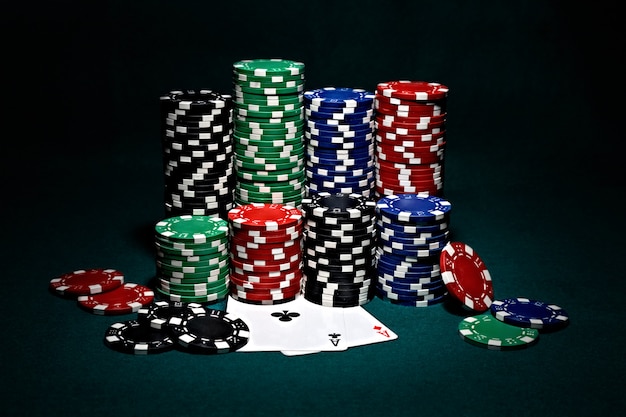
Another effective strategy is the ‘flat betting’ approach, where players maintain the same bet size regardless of wins or losses. This method promotes steady gameplay without the volatility associated with progressive betting systems. Combining different strategies to suit individual preferences can create a personalized approach that enhances both enjoyment and potential winnings. Understanding the strengths and weaknesses of each betting system is key to using them effectively.
Ultimately, no betting strategy guarantees success, but they can help players conceptualize their betting patterns and potentially optimize their outcomes. Coupling these strategies with knowledge of game mechanics and house edges can lead to more informed decisions, granting players a sense of control. However, players should always remember that gambling should primarily be about enjoyment and entertainment, with strategies serving merely as supplementary tools.
Exploring Resources for Better Play
In the realm of gambling, information is a powerful ally. Numerous resources exist to help players deepen their understanding of different games, betting strategies, and bankroll management techniques. Websites dedicated to gambling education offer tutorials, strategy guides, and insights into varying game mechanics. These platforms can be invaluable for newcomers, providing them with the tools needed to navigate the complexities of casino gaming.
Additionally, engaging with online communities, such as forums or social media groups focused on gambling, can foster a shared learning environment. Players can exchange experiences, tips, and strategies, creating a rich tapestry of knowledge that benefits everyone involved. Learning from seasoned gamblers can provide unique perspectives and insights into managing gameplay effectively. This sense of camaraderie can also enhance the overall gambling experience.
Furthermore, the evolving landscape of technology means that many apps and software programs are available to help players analyze their strategies and track their performance. These tools can help in understanding trends, evaluating outcomes, and adjusting gameplay accordingly. By harnessing available resources and maintaining a commitment to continuous learning, players can enhance their skills, ultimately making more informed decisions at the gaming tables.

Comentarios recientes